

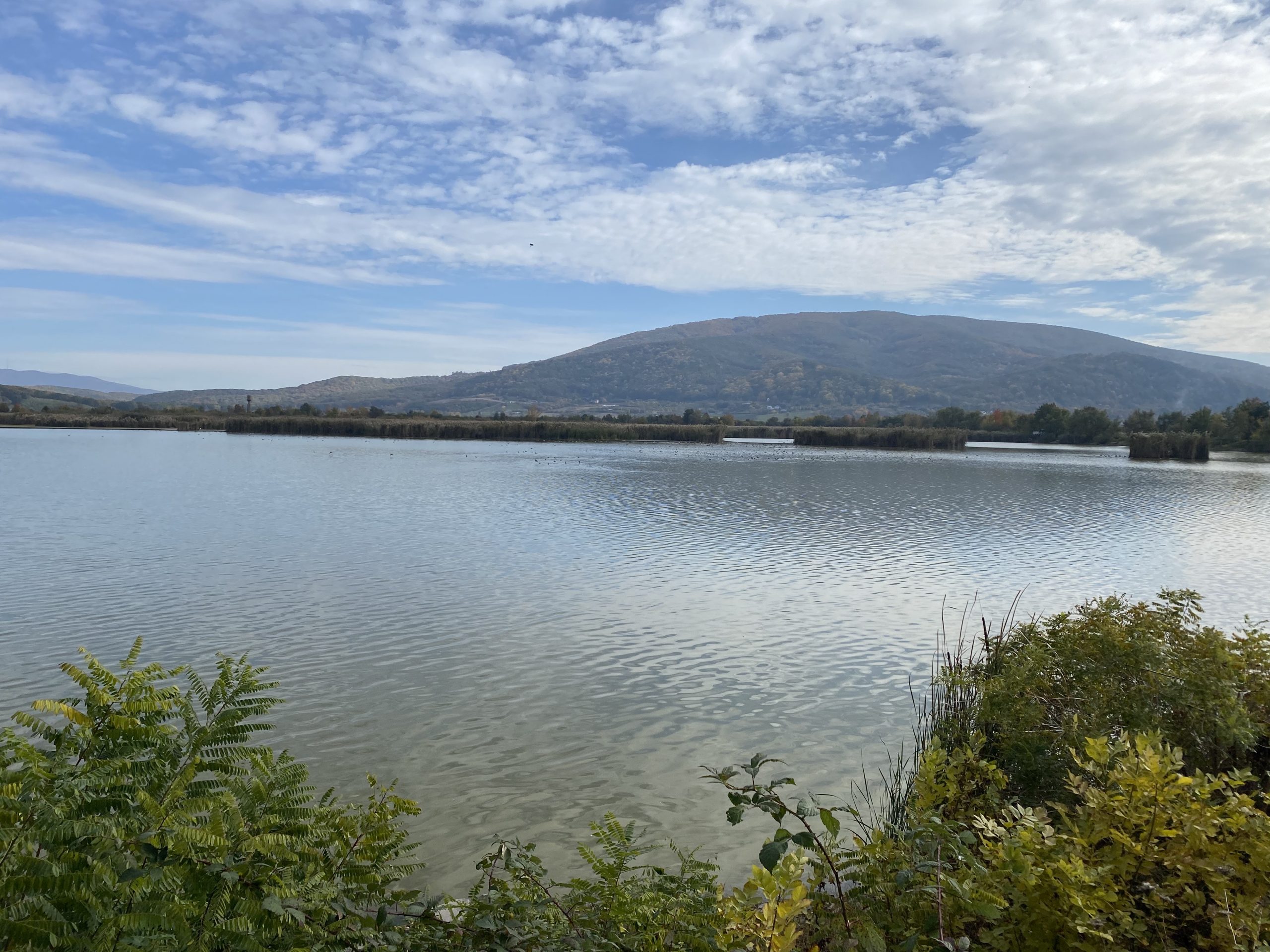
Wetlands are extremely important ecosystems for the entire planet. They regulate the water balance and climate, while also supporting the biodiversity of flora and fauna.
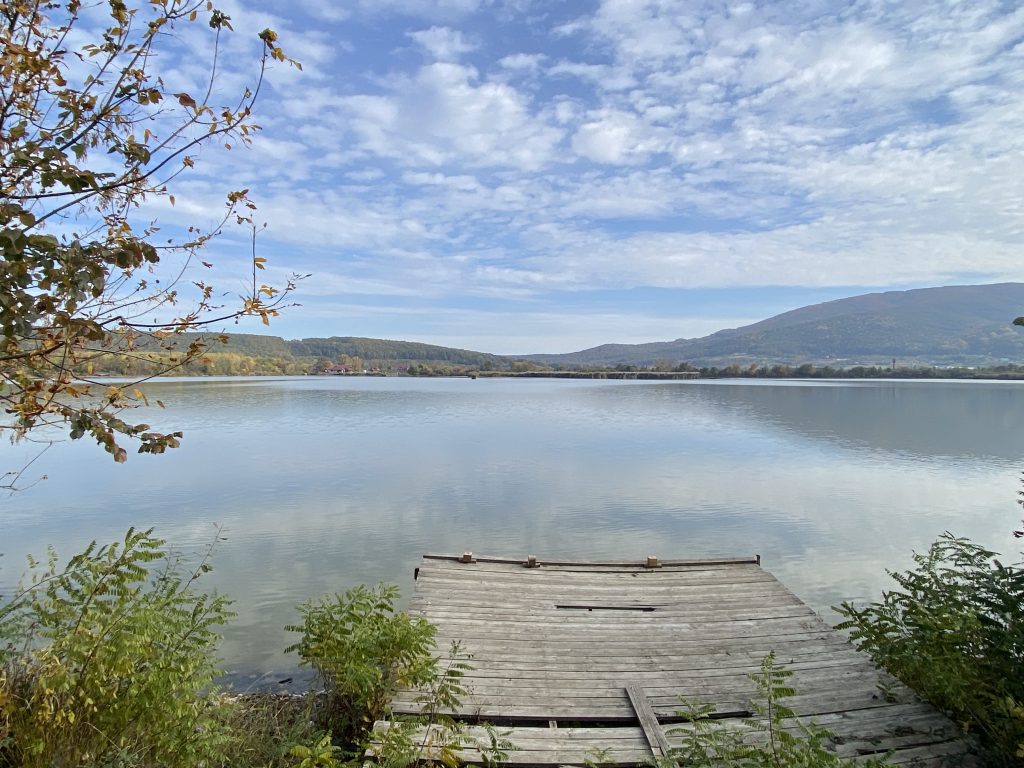
The climate role of wetland ecosystems lies in their ability to store organic carbon, so they help to prevent the greenhouse effect. The destruction or drainage of swamps causes carbon to be released back into the atmosphere. Therefore, wetlands need to be protected and restored in order to reduce greenhouse gas emissions into the atmosphere.
Wetlands are natural regulators of the water balance in nature. During rains and floods, they absorb excess water, while during droughts, they release it. In this way, they reduce the risks of floods and droughts, maintain the necessary water levels in the soil and rivers.
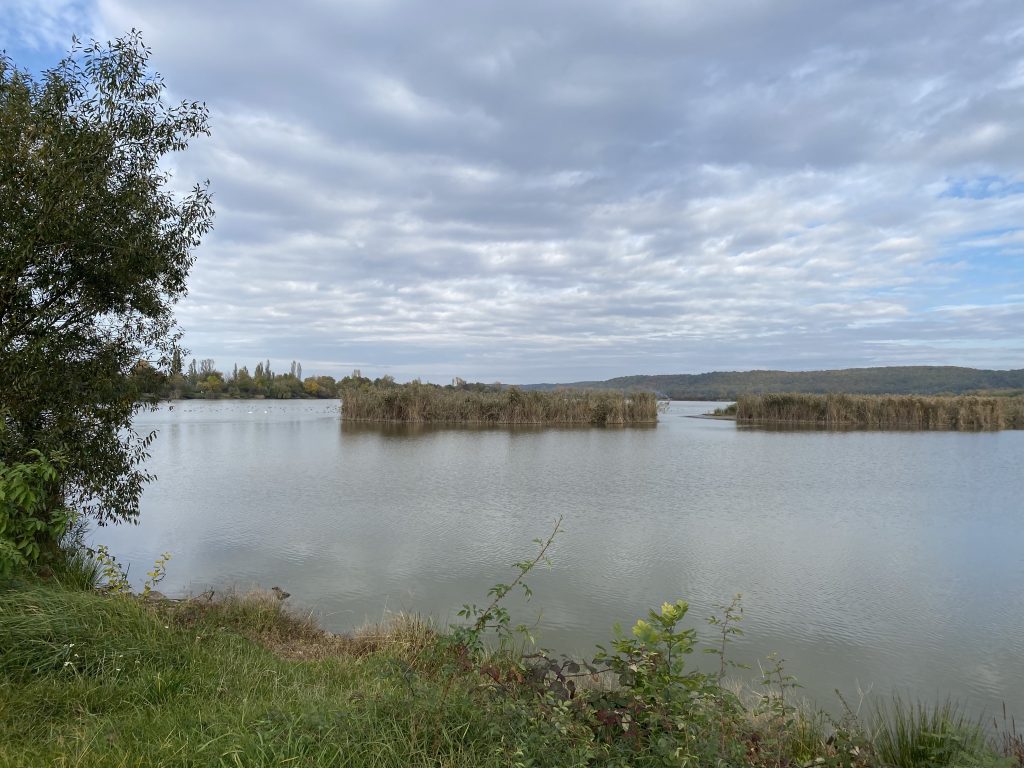
The Fornosh and Salva reservoirs, located in Zakarpattia region, are transformed ecosystems that emerged on the site of ameliorated wetlands. Fornosh accumulates water from the drained area of Zakarpattia largest lowland peatland, «Black Swamp», and prevents flooding in the surrounding villages. Fornosh is located in Mukachevo district, Zakarpattia region, near Mukachevo and close to the villages of Fornosh and Barbovo. Its area is more than 261 hectares.
The Salva reservoir accumulates water from the ameliorated wetland of the Salva river floodplain. It is located 35 km south of the Fornosh reservoir, in Berehove district of Zakarpattia region, near Vynohradiv city. Salva is a reservoir of the Salva ameliorated system. Its area is more than 65 hectares. However, these water bodies are already undergoing natural changes towards waterlogging formation, which is accompanied by an enhanced climate role and a surge in biodiversity.
Wetlands are important for biodiversity conservation because they provide habitats for many species of flora and fauna. This includes avifauna – the bird species, some of which are endangered.
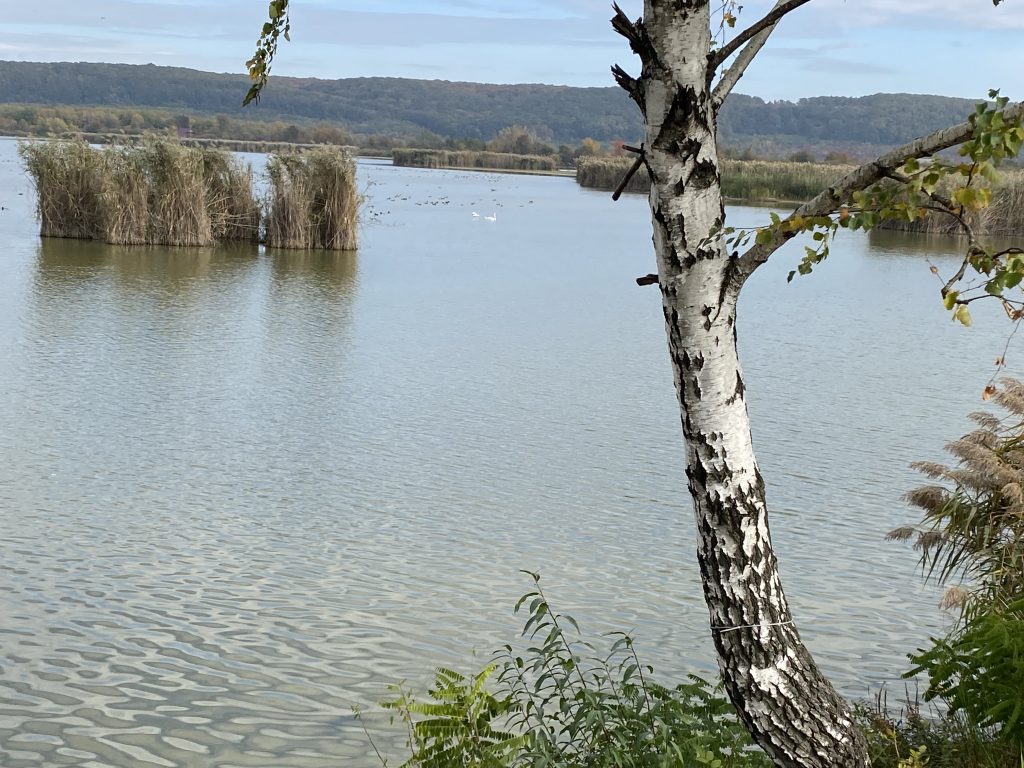
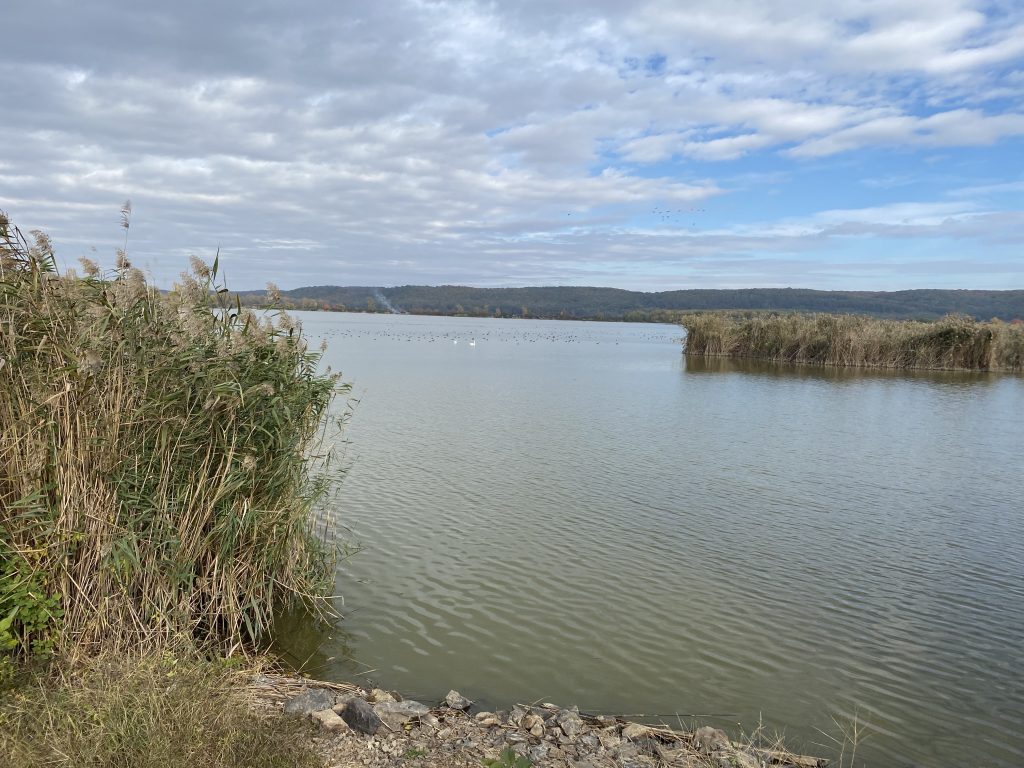
The Fornosh reservoir is one of four reservoirs of the «Black Swamp» system, formed as a result of the large-scale amelioration of a vast wetland of Zakarpattia lowland. The drainage of the Black Swamp (Serne) dealt a devastating blow to the biodiversity of wetland plants and birds in Zakarpattia. As a result, most of the birds that once nested here in large numbers are now observed only during flights. However, in recent decades, birds have gradually been returning to this area.
The Fornosh reservoir is an important place for large concentrations of waterfowl during spring migration, as it is on their migration route. Until recently, the Salva reservoir was the main nesting site for virtually all species of herons found in Ukraine, as well as various duck species. Scientists from Uzhhorod National University are currently conducting research at these reservoirs aimed at studying the biodiversity of the entire wetland complex. There are also plans to develop one of the most nature-friendly forms of tourism – birdwatching.
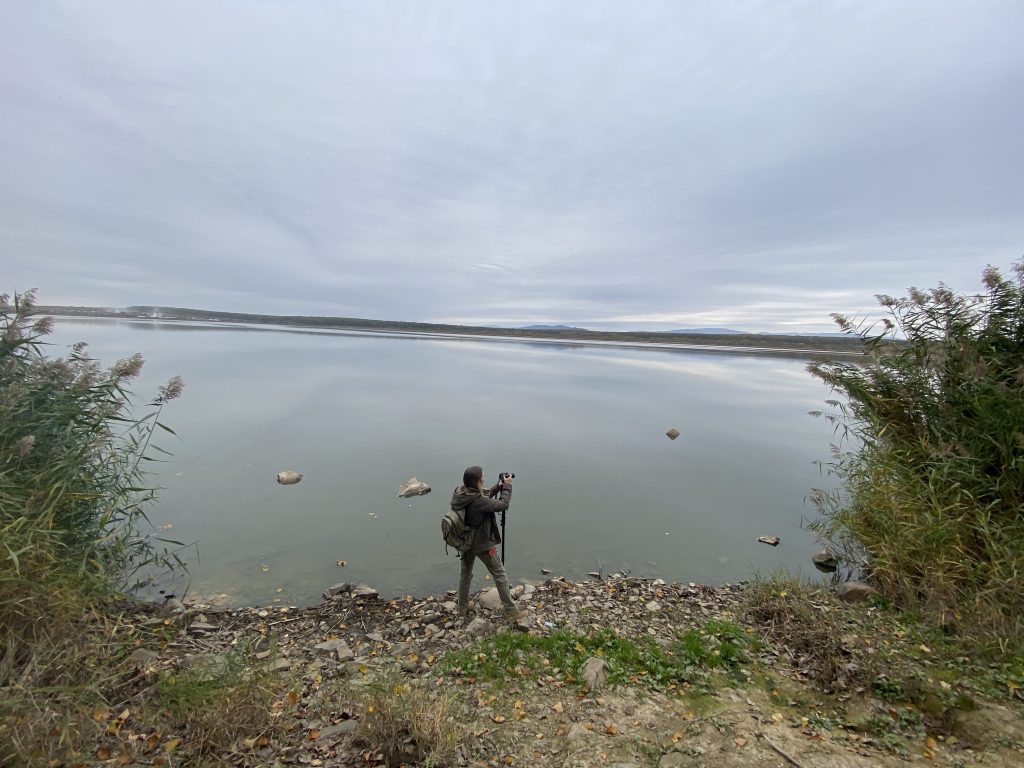
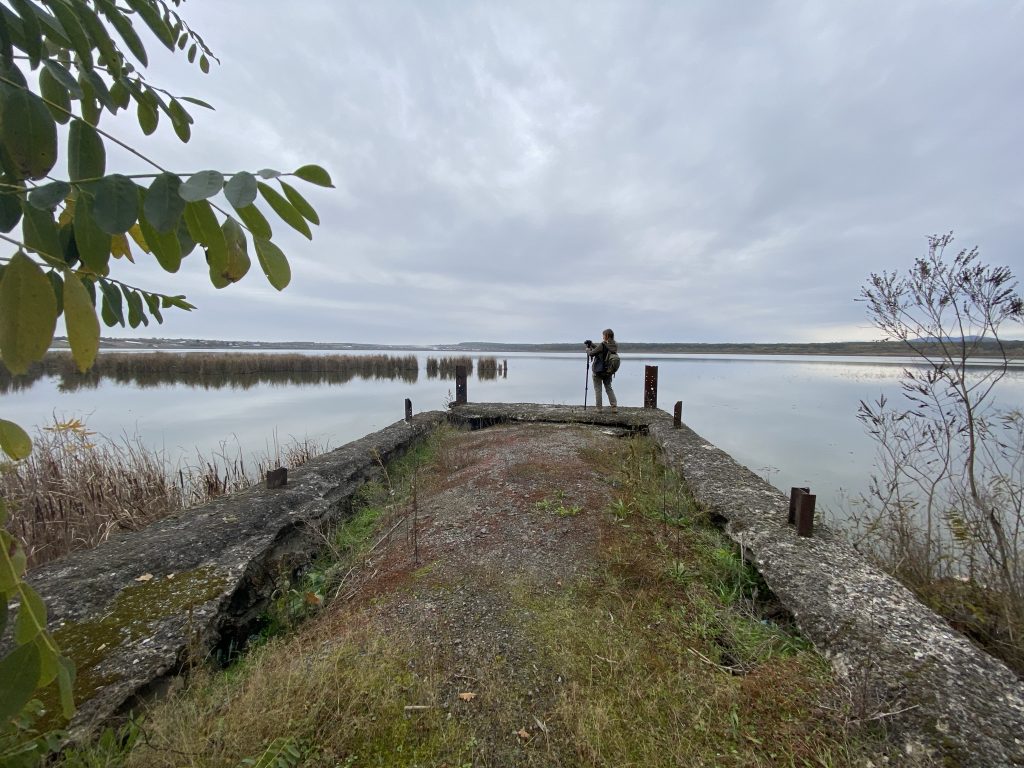
This project is supported by the IKI Small Grants programme strengthening local solutions for effective climate and biodiversity action. IKI Small Grants is funded by the Federal Ministry for the Environment, Climate Action, Nature Conservation and Nuclear Safety (BMUKN) and is run by Deutsche Gesellschaft für Internationale Zusammenarbeit (GIZ) GmbH. It is part of Germany’s International Climate Initiative (IKI).